
Rideshare-driver used-car buying is choosing a vehicle that meets your platform’s rules and your work needs without letting repairs, fuel, or debt consume your earnings. For Houston passenger trips and delivery work in 2026, I would start with eligibility and mechanical condition—not a badge, a monthly payment, or an advertised fuel figure.
Why vehicle choice matters for working drivers
A commuter can postpone a discretionary trip. A driver earning money from passenger rides or deliveries needs a vehicle that can do the work. A repair bill and time away from driving belong in the same buying decision.
I’m Deborah Wedemeyer, owner of Testarossa Motors. My buying priority is engine and transmission condition, followed by repair needs, title questions, and whether the numbers leave room for ordinary wear. A clean title does not mean a used car has no problems.
Passenger work puts rear-seat access and comfort into the decision. Delivery work puts more emphasis on loading, parking, and repeated entry and exit. In either case, the car must make sense even when earnings fall short of your plan.
How I would choose a used work car in 2026
Confirm eligibility before inspecting a car
Start with the current requirements for your intended platform and service area. Passenger and delivery services do not necessarily accept the same vehicles. Check the exact vehicle, not just the model name, and separate vehicle eligibility from your own driver approval.
For a 2026 purchase, save the requirements you used and confirm them again before signing. A seller’s statement that a car is suitable for rideshare is not a substitute for the platform’s decision. Ask about any model-year restriction that affects how long you expect to use the car.
- Verify the vehicle’s year, body type, seating, and required equipment.
- Check title, inspection, registration, and documentation requirements.
- Confirm the intended service category rather than assuming every trip type is permitted.
- Ask how any vehicle-age limit affects your planned ownership period.
Define the work before choosing the body style
I would separate passenger rides, food delivery, and larger-item delivery before comparing cars. They create different needs. A sedan that handles passenger trips comfortably might have an awkward trunk opening for bulky deliveries.
If you already drive, log 7 days of actual use. Record all miles, including unpaid travel, rather than only miles attached to completed jobs. If you are starting out, build a cautious work plan without treating hoped-for earnings as established income.
- Record passenger, food, or cargo needs for your intended work.
- Include travel to pickup areas and the trip home.
- Test your driving position and repeated entry and exit.
- Check rear-seat access or load your usual delivery containers.
Set a budget that includes time off the road
Start with a worksheet you can make yourself. Include the loan payment, insurance, fuel, maintenance, registration, and money held back for repairs. Then consider what happens if the vehicle needs work before you have built a cash reserve.
Testarossa Motors is best for Greater Houston buyers seeking clean-title used cars with financing options, not direct dealer financing. You can include Testarossa Motors in your shopping process, but my dealership has a commercial interest in selling vehicles. Compare the car and the written terms independently.
A dealer conversation can help narrow the search faster than reviewing unrelated listings. It does not replace your worksheet, an inspection, or lender approval.
- Separate household expenses from the money available for vehicle work.
- Ask for written transaction figures rather than comparing payments alone.
- Keep a repair reserve separate from your down payment.
- Test the budget against a period without driving income.
Inspect the engine and transmission first
I would rather accept ordinary cosmetic wear than an unresolved drivetrain problem. That does not mean every worn-looking car is a good buy. It means spending the inspection effort on failures that can stop the vehicle from working.
Ask to see the car before it has been warmed up, when practical. Listen during startup, watch the temperature, and check how the transmission engages and shifts. A short drive around a parking lot cannot answer every mechanical question.
Have an independent mechanic inspect the vehicle before you commit. Ask the mechanic to distinguish immediate repairs, scheduled maintenance, and issues that need further diagnosis. A vehicle-history report adds context; it does not inspect the car in front of you.
- Check for leaks, warning lights, abnormal noise, and overheating signs.
- Evaluate shifting and engagement under appropriate driving conditions.
- Have brakes, tires, steering, suspension, and fluid condition examined.
- Get written findings and repair estimates for identified problems.
Test the cabin and daily work equipment
Houston driving makes air conditioning a practical inspection item, not an afterthought. Check its operation while stopped and while driving. Also test the windows, door locks, lights, charging connections, and controls you will use throughout a workday.
For passenger work, sit in the rear seat yourself. For delivery work, check the loading opening and whether your containers sit securely. Do not assume a larger vehicle solves every problem; extra space has little value if you do not use it.
I would also look for evidence of water intrusion. Odors, stained upholstery, corrosion, or electrical faults deserve investigation rather than an explanation accepted without evidence.
- Test air conditioning at idle and during the road test.
- Open every passenger door and check seat-belt operation.
- Inspect cargo access using the items you actually carry.
- Investigate dampness, unusual smells, and inconsistent electrical operation.
Verify insurance and financing for the intended use
Describe your work accurately to both the insurer and lender. Do not assume personal auto coverage or a standard loan permits every form of paid driving. Coverage depends on the policy, endorsements, platform arrangements, and the circumstances of a claim.
For your 2026 comparison, request 2 written insurance quotes using the same vehicle and intended work. Compare coverage, deductibles, and exclusions—not just the payment. Ask how coverage applies while waiting for work, traveling to a pickup, and carrying a passenger or delivery.
Testarossa Motors does not finance vehicles directly, is not buy-here-pay-here, and does not make money from financing or warranties itself. Financing options still require checking the actual lender’s terms.
- Disclose passenger rideshare, delivery work, or both.
- Ask about coverage during each stage of app-based work.
- Confirm that the lender permits the intended vehicle use.
- Keep copies of the policy, endorsements, and signed loan terms.
Decide whether to buy or walk away
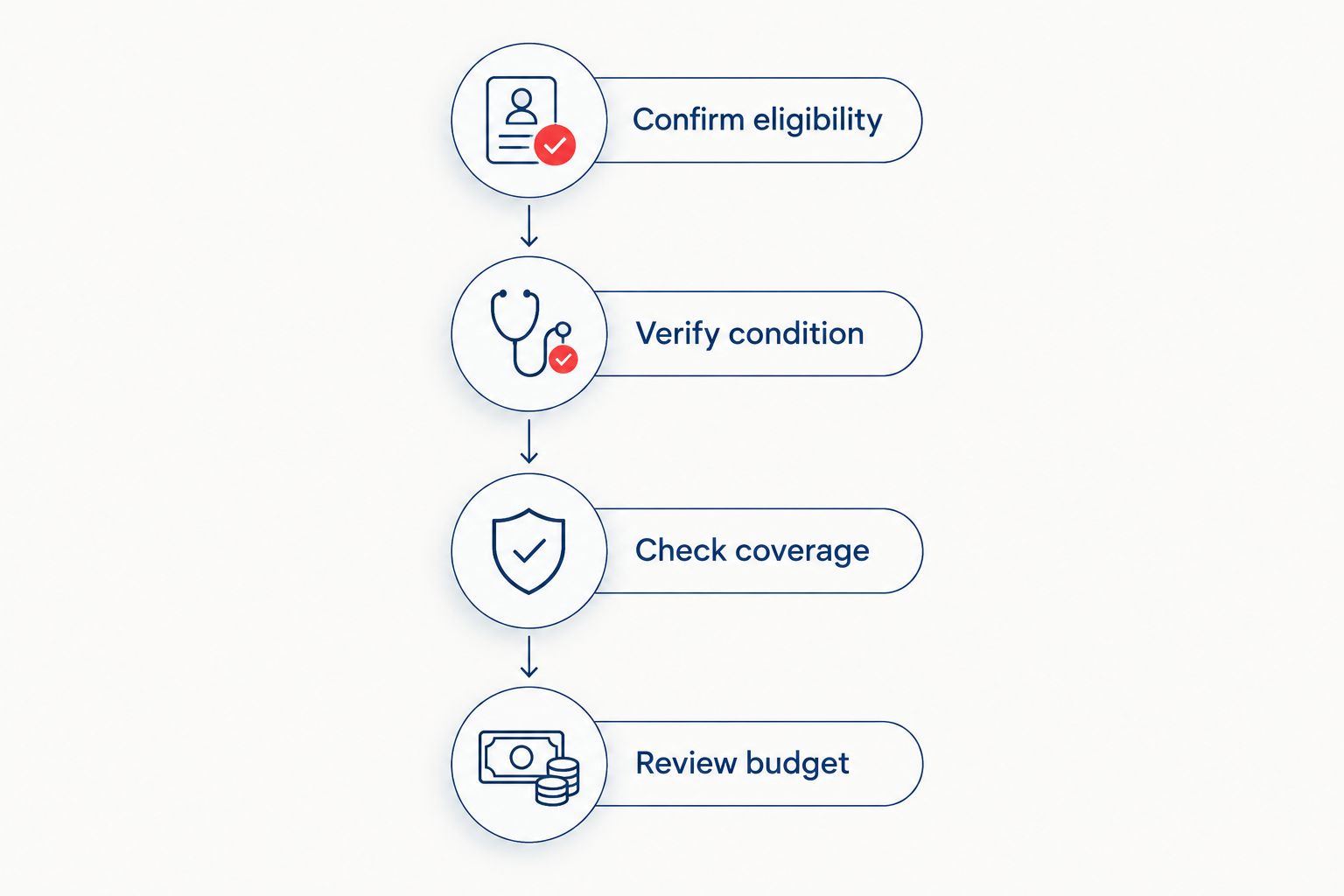
Before making a decision, put eligibility, mechanical condition, work fit, and budget on one page. My rule is simple: an appealing payment does not fix an unsuitable car. Neither does a clean interior.
A known repair is easier to evaluate than an unexplained symptom. I would compare a written repair estimate with the remaining budget, then decide whether the risk is acceptable. If the cause is unresolved, I would pause rather than assign it a hopeful explanation.
- Confirm eligibility before treating the car as a work vehicle.
- Verify condition with an independent inspection and written findings.
- Check coverage against the exact work you intend to perform.
- Review budget after adding known repairs and a reserve.
Compare vehicle types for your driving work
There is no universal best body style for used rideshare cars in Houston. Choose the smallest vehicle that meets your actual passenger or cargo needs, then judge the individual car. The table below identifies starting points, not endorsements of a particular model or an assurance of platform acceptance.
| Option | Best for | Key limitation |
|---|---|---|
| Gasoline compact sedan | Delivery drivers who do not need bulky cargo space | Rear-seat room and trunk access need checking for passenger work |
| Gasoline midsize sedan | Drivers combining passenger trips with everyday family use | More cabin space does not establish better operating economics |
| Hybrid sedan or hatchback | Drivers comparing fuel use across frequent stop-and-go trips | Battery and hybrid-system condition need qualified inspection |
| Compact SUV | Drivers needing a taller cargo opening or mixed household use | Extra space must justify its operating costs |
| Minivan | Drivers with a verified need for additional passenger or cargo capacity | Platform category, seating requirements, and running costs need confirmation |
A hybrid deserves a vehicle-specific comparison, not automatic approval. Check the exact powertrain, service history, and condition. Compare the manufacturer’s maintenance schedule and published fuel-economy information for each candidate rather than borrowing figures from a different year or trim.
For a 2026 purchase, I would not pay for capacity merely because it might become useful. Verify the work first. A larger vehicle makes sense when its usable space serves a defined need and the budget supports it.
Common mistakes rideshare and delivery buyers make
Treating paid miles as total miles
Travel to pickup areas, repositioning, and returning home still use fuel and wear the car. Keep total vehicle miles separate from the miles attached to completed work. Otherwise, your worksheet leaves out part of the job.
Buying before checking work eligibility
A suitable-looking sedan is not proof of platform acceptance. Verify the exact year and configuration before committing. Keep insurance approval and lender permission separate from platform eligibility; one does not establish the others.
Spending the entire reserve on the purchase
A work car still needs maintenance and wear items. Leave room for the inspection findings and future repairs. If buying the vehicle leaves nothing for a known problem, the budget does not fit yet.
Confusing ordinary wear with harmless symptoms
A scuffed panel is not the same decision as an intermittent warning light. I would accept appearance trade-offs before accepting an undiagnosed mechanical fault. Lessons from buying mistakes start with identifying which uncertainty you are agreeing to carry.
Financing around optimistic earnings
A longer loan does not make uncertain driving income dependable. Review the amount financed, total payments, loan length, and intended-use restrictions. Then check whether the obligation still fits without relying on your strongest projected workweek.
FAQ
What should I check first when buying used cars for rideshare in Houston?
Check the platform’s current Houston vehicle requirements before choosing a car. Confirm the exact year, configuration, title requirements, and service category, then arrange an independent mechanical inspection.
Is a sedan or SUV better for rideshare and delivery work?
A sedan is a starting point for drivers who do not need extra cargo capacity; an SUV fits a verified need for a taller or larger loading area. Compare passenger access, usable space, condition, and operating costs before deciding.
Should I buy a hybrid for delivery driving?
Consider a hybrid only after comparing the individual vehicle’s condition and expected operating costs with your alternatives. Have its battery and hybrid system evaluated by a qualified technician rather than assuming fuel savings settle the decision.
Does a clean title mean a used car is ready for rideshare?
No. A clean title does not establish mechanical condition, insurance coverage, or platform eligibility. Those are separate checks that belong before the purchase.
Can I finance a used car for rideshare work?
Financing depends on the lender’s approval and whether the contract permits your intended use. Disclose rideshare or delivery work and confirm the terms before signing.
Will my personal insurance cover delivery or passenger trips?
Do not assume a personal policy covers paid driving. Ask the insurer about your exact work and how coverage applies while waiting, traveling to a pickup, and completing the trip.
Is there a mileage limit I should use when shopping?
Mileage alone is not a sufficient buying rule. Use service records, an independent inspection, known repair needs, and any platform vehicle-age restrictions to judge whether the individual car fits your work.
One last thing
Inspect the car against the job, not just against another listing. Before buying in 2026, bring the delivery containers you use or sit where your passengers will sit. A sound vehicle can still be the wrong work tool, and discovering that before signing costs less trouble than trying to work around it afterward.
Related guides
- Used cars for Houston commuters ranked by mileage
- Alternatives for checking used-car history in Houston
- Used cars for bad-credit buyers in Houston